Knob and Tube Rewiring
Contact San Fran Electric Today
Update Your Knob and Tube Wiring in San Francisco, CA
If you own an older home in San Francisco, knob and tube wiring may still supply some of your lights, outlets, and switches. Finding an electrician experienced with knob and tube wiring near you is important because many older San Francisco homes have electrical systems that have been modified over the years. San Fran Electric evaluates what wiring is still active, how it has been altered, and what should be replaced before recommending a rewiring plan.
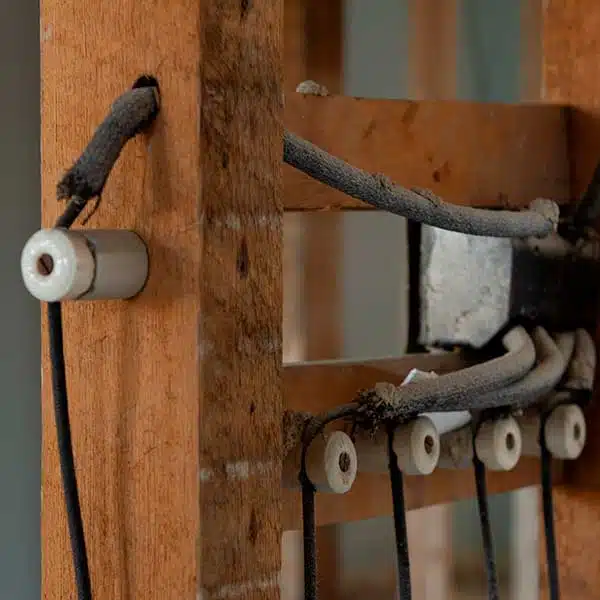
Information About Knob and Tube Wiring
Knob and tube wiring was commonly installed in older homes, including many San Francisco properties built from the late 1800s through the first half of the 1900s. Before replacing anything, we walk through the entire home to determine how much knob and tube wiring is active, what it supplies, and whether previous electrical work has been connected to it.

Inspecting Active Knob and Tube Wiring
Seeing knob and tube wiring does not tell you how much of the home still relies on it. A detailed inspection helps us understand the existing system before planning the work.
- Trace active knob and tube wiring throughout the home
- Identify outlets, switches, and lights supplied by older wiring
- Look for newer wiring that has been connected to the original system
- Check the existing electrical panel and service capacity
- Discuss future electrical needs that may affect the rewire

Full and Partial Knob and Tube Rewiring
The amount of rewiring needed depends on what remains active and how the home's electrical system has changed over time. Depending on the project, we may:
- Replace active knob and tube circuits with modern copper wiring
- Install properly grounded circuits throughout rewired areas
- Map circuits based on modern electrical needs instead of replacing wires one-for-one
- Add AFCI and GFCI protection where required
- Update electrical boxes, receptacles, switches, and related devices
- Disconnect abandoned knob and tube wiring so it cannot be energized again

Rewiring Older San Francisco Homes
Older San Francisco homes can require extra planning because access to existing wiring may be limited, especially in homes with finished walls, plaster, and lath. During the rewire, we may:
- Route new wiring through attics, basements, crawlspaces, garages, and closets
- Fish new wiring through finished walls when practical
- Make small, precise openings when wall or ceiling access is necessary
- Work carefully around older plaster and lath to make later repairs easier
- Protect floors and use containment barriers to help control dust
- Keep new wiring accessible for San Francisco's required rough inspection
Home size, accessibility, previous electrical modifications, panel condition, and the amount of active knob and tube wiring can all affect the project. After the rough inspection passes, wall openings can be repaired before trim-out, testing, and the final electrical inspection.
Why Choose San Fran Electric

Local Bay Area Experience
We are a local, family-owned electrical company with roots in the Bay Area and experience working with the electrical challenges found in older homes near you.
15 Years of Experience
Our experience helps us trace older wiring, identify previous modifications, and develop a practical plan for each home.
Upfront Pricing
We complete an assessment, explain what we find, and prepare an estimate based on the actual electrical system before work begins.
Licensed and Insured
San Fran Electric is a licensed and insured C-10 electrical contractor.
1-Year Workmanship Warranty
Our knob and tube rewiring work is backed by a one-year workmanship warranty.
Talk With a Knob and Tube Electrician Near You
If you have knob and tube wiring in an older San Francisco home, the first step is finding out how much is still active and what it supplies. San Fran Electric can assess the existing wiring, explain your options, and provide upfront pricing based on what your home actually needs. Call 415-510-9807 to talk with a local knob and tube electrician near you.
FAQs - Ask Your Local Electrician about Knob & Tube Wiring
A San Francisco knob and tube rewire generally moves through assessment, permitting, installation, inspections, and final testing.
Our process includes:
- Walk through the home and identify active knob and tube wiring
- Prepare an estimate based on the findings
- Pull the electrical permit after the project is approved
- Protect floors and establish dust containment
- Install new wiring, circuits, and electrical boxes
- Schedule the San Francisco rough electrical inspection
- Complete permitted wall repairs after the rough inspection
- Install receptacles, switches, lights, and breakers
- Test the completed electrical system
- Schedule the final electrical inspection
We also explain any unexpected electrical work we uncover during the project before proceeding with additional work.
Look for an electrician who understands both older electrical systems and the practical challenges of rewiring older San Francisco homes. Knob and tube replacement involves more than simply pulling out old wires and installing new ones.
Important experience includes:
- Determining which knob and tube circuits are still active
- Identifying modifications made to the original wiring
- Working carefully around plaster and lath
- Planning new grounded circuits for modern electrical needs
- Pulling the required electrical permit
- Coordinating rough and final inspections in San Francisco
San Fran Electric is local to the Bay Area and has 15 years of electrical experience. We begin by evaluating what is actually present before recommending the scope of work.
Not every piece of old knob and tube wiring necessarily needs to be physically removed, but active wiring needs to be identified before deciding what should be replaced.
During our assessment, we determine:
- How much knob and tube wiring remains active
- Which areas and devices it supplies
- Whether it has been modified or connected to newer wiring
- How the home's circuits are currently organized
- What changes are needed for the planned rewire
During a full rewire, active knob and tube branch circuits are replaced with modern copper wiring. Depending on the project, abandoned wiring may be removed or disconnected and left in place so it can never be energized again.
A partial knob and tube replacement may be possible depending on how the home's existing electrical system is configured.
The decision depends on factors such as:
- How much knob and tube remains active
- Which rooms and devices it serves
- Previous additions and electrical modifications
- Accessibility of the wiring
- Condition of the electrical panel
- How circuits are interconnected
This is why we start by walking through the entire home rather than assuming it needs a full rewire. The assessment gives us a better picture of the existing system so we can explain the available options.
Some wall and ceiling openings are often necessary during knob and tube replacement, but we use existing access points and fish wiring through finished walls whenever practical.
Depending on the home, new wiring may be routed through:
- Attics
- Basements
- Crawlspaces
- Garages
- Closets
- Accessible wall and ceiling cavities
Plaster and lath can make rewiring older San Francisco homes more challenging. When openings are necessary, we try to make careful, precise cuts that are easier to repair afterward. We also use floor protection and containment barriers to help keep dust from spreading through the home.
No. Having knob and tube wiring does not automatically mean your electrical panel or service must also be replaced.
As part of the assessment, we look at:
- Existing panel condition
- Electrical service size
- Available capacity
- Compatibility with modern breakers
- Current electrical demand
- Planned future electrical needs
Older homes may have older panels, but we recommend an upgrade only when the existing system or planned electrical loads require it. The goal is to determine what the home actually needs rather than automatically adding work to the project.
